
Buying Custom Furniture from a Foshan Factory: A Homeowner’s Decision Guide
- custom-furniture
- foshan-furniture-factory
- furniture-factory-direct
- furniture-buying-guide
- furniture-factory-Misxit
Honest pros and cons of Foshan factory-direct custom furniture for homeowners—MOQ, shipping, QC, lead times, and when retail is smarter.
You’re renovating a villa—or finally furnishing a whole floor—and someone says, “Just buy from Foshan. Factory price.” Then you picture MOQs, ocean freight, and a sofa that arrives three months late in the wrong fabric. Buying custom furniture from a Foshan factory can be a smart move for homeowners. It can also be an expensive lesson. The difference is whether your order fits how factories actually work.
What “Foshan factory-direct” means for a homeowner
Factory-direct from Foshan means you order from a manufacturer (or a factory-linked program) in China’s furniture hub instead of buying finished stock from a retail showroom. You typically negotiate specs—size, frame, foam, fabric, finish—then wait for production and international shipping. You’re not “shopping a website cart” the way you would at a local store; you’re entering a small production run with paperwork, lead time, and landed-cost math.
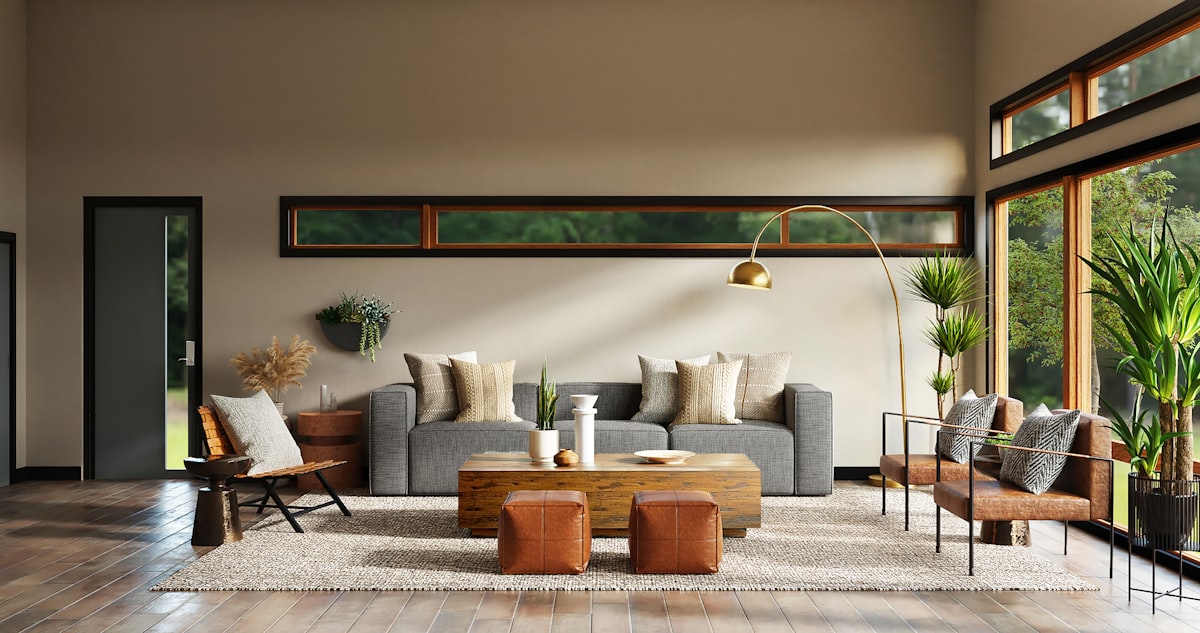
Misxit is a furniture source factory in Foshan, China. In practice, homeowner projects that work well usually start with a clear room plan and a written specification—not a vague “make it like this Instagram photo.” Factories build from dimensions, materials, and approval samples; the more precise your brief, the fewer surprises later.
Factory-direct vs retail: what changes for you
Before you chase an ex-factory quote, compare the buying models on the factors that actually hit homeowners: customization, timeline, risk, and who owns logistics.
Use this table as a decision map. If most of your answers land in the retail column, stay local. If they land in factory-direct—and your volume or customization need is real—keep reading.
Factor | Local / retail furniture | Foshan factory-direct (custom) |
|---|---|---|
Custom size / fabric / finish | Limited; often costly or refused | Common when specs are clear |
Unit price (ex-factory) | Higher (brand + retail margin) | Often lower before freight/duties |
Landed cost (door-to-door) | Closer to sticker price | Quote + freight + duties + local delivery + QC |
MOQ / order size | Buy one piece | Often needs volume, consolidation, or flexible programs |
Lead time | Days–weeks if in stock | Weeks–months (production + ocean freight) |
Quality control | Return to store (local policy) | You arrange samples / pre-shipment inspection |
Communication | Sales associate | Spec sheets, samples, WhatsApp/email across time zones |
Best fit | One sofa, urgent move-in, easy returns | Whole-home / multi-room / hard-to-find custom |
What this means for you: factory pricing only helps if landed cost still beats comparable retail quality—and if you can wait. A cheap factory quote that ignores freight, duties, packaging upgrades, and inspection is not a real number.

When Foshan custom furniture makes sense (and when it doesn’t)
It often makes sense if you…
Are furnishing multiple rooms or a full home (enough volume to absorb freight and fixed logistics costs).
Need true customization—non-standard sofa depth, dining table length, fabric grade, or finish matching across rooms. For dining tops, nail construction first (solid wood vs veneer); see our solid wood vs veneer dining table guide.
Can plan lead time into the renovation (move-in is not next month).
Will invest in a written spec, sample approval, and pre-shipment QC—or hire someone who will.
Are comparing like-for-like quality, not a showroom “look” against an undefined factory grade.
Browse living-room and dining programs in our Living Room and Dining Sets collections when you want a baseline of factory-built styles before you customize.
It often does not make sense if you…
Need one or two small pieces and want next-week delivery.
Can’t wait out production + ocean freight (or won’t pay for expensive air freight).
Won’t do (or pay for) inspection and hate ambiguity in fabric/finish.
Expect Amazon-style free returns on a custom container shipment.
Are shopping purely on the lowest screenshot price with no material or frame spec.

Myth: “Factory-direct always saves money for any homeowner order.”
Fact: Savings show up on landed cost at enough volume or customization value. Tiny, urgent, or poorly specified orders often erase the discount—or cost more in stress than you save.
MOQ, communication, QC, shipping, and lead time—honestly
These five topics decide most homeowner outcomes. Treat them as a checklist, not fine print.
MOQ (minimum order quantity)
Factories exist to run production efficiently. Many programs prefer sets, multi-SKU room packages, or container-friendly volumes. Some showroom/factory-outlet models are more flexible for private buyers—ask early, in writing. Don’t invent a plan around “one accent chair at wholesale” unless the supplier confirms it.
Needs factory note: confirm Misxit’s current MOQ / sample / small-order policy for homeowners before publishing numeric claims.
Communication
Expect to confirm dimensions in millimeters, fabric codes, foam density, finish samples, packing method, and Incoterms (who pays freight/insurance). Vague chat approvals are how wrong sofas get built. Use a simple spec sheet and keep decisions in email or shared docs.
Quality control
Don’t rely on a showroom photo alone. For custom work, approve a pre-production sample (or detailed material samples) when the risk is high, then arrange a pre-shipment inspection before goods leave China. Returning a container of custom upholstery is not like returning a store sofa.
Shipping and assembly
Ocean freight (FCL or LCL), duties/tariffs, inland delivery, and possible white-glove assembly all sit on top of the factory price. LCL can work for smaller loads but needs stronger packing. Budget for damage risk and spare hardware. Regional notes: humid climates need stable cores and careful moisture protection in transit; coastal homes should confirm finish systems for salt air if outdoor pieces are involved.

Lead times
Production time plus vessel schedule plus customs plus last-mile delivery is the real calendar—not the factory’s sewing-room estimate alone. If your contractor needs furniture on a hard date, pad the schedule or buy retail for critical pieces.
When you’re ready to discuss a room package or custom sizes, request a quote with drawings or a room list so the factory conversation starts from facts, not guesswork.
FAQ
Is buying furniture from a Foshan factory worth it for homeowners?
Yes—when you’re furnishing enough volume or need customization that retail can’t match at a fair price, and you can manage lead time and QC. It is often a poor fit for one urgent piece with no inspection plan. Run a landed-cost comparison against equivalent retail quality before you commit.
Can homeowners buy custom furniture directly from a China factory?
Many can, if the factory (or factory program) accepts private projects and you meet their process: clear specs, deposits, production, and export logistics. Some homeowners work through a designer or sourcing partner; others deal with the factory sales team directly. Confirm who handles export documents and door delivery before you pay.
What is MOQ when ordering furniture from China as a homeowner?
MOQ is the smallest quantity a factory will produce for a SKU or order. It varies by product and supplier—some prefer container-scale or multi-piece packages; others are more flexible for custom residential jobs. Ask for MOQ and sample rules in writing on your first inquiry; don’t assume “one of everything” is available at factory pricing.
How do shipping and customs work for furniture from China?
Usually ocean freight to your destination port, then customs clearance (duties/taxes) and inland delivery to your home or warehouse. Who pays which step depends on the Incoterm in your contract. Always quote landed cost—factory price alone is incomplete. Packaging quality matters as much as the freight rate.
How should homeowners check quality before furniture ships?
Approve materials and (when needed) a production sample against a written spec, then book a third-party or trusted on-site pre-shipment inspection before loading. Photos of a finished piece help, but measurements, foam, stitching, finish, and packing should be checked against your checklist—not only aesthetics.
When should homeowners stick with retail instead of factory-direct?
Choose retail when you need speed, easy returns, or a single replacement piece; when your order is too small to absorb logistics; or when you don’t want to manage specs and QC. Peace of mind has a price—sometimes it’s the right one.
Bottom line
Buying custom furniture from a Foshan factory is a good idea for homeowners when customization or whole-home volume makes landed cost and design control worth the process. It’s a weak idea when you’re chasing a low screenshot price for a tiny, urgent order with no QC plan.
Pre-purchase checklist
Fit test: multi-room / custom need + flexible timeline → consider factory-direct; one urgent piece → retail.
Landed cost: factory quote + freight + duties + delivery + inspection—not ex-factory alone.
Control plan: written specs, sample approval path, and pre-shipment QC before you wire a deposit.