
Oak vs Walnut vs Ash vs Teak: Which Wood Is Best for Modern Furniture?
- hardwood
- oak
- walnut
- ash
- teak
- furniture material
Compare oak, walnut, ash, and teak for modern furniture—look, hardness, humidity, finish, cost band, and best use cases.
You’re picking a finish sample and every board looks “nice.” Then you notice the price jumps, the grain changes, and someone says teak is “the best”—while the designer is pushing walnut. For modern furniture, the right species isn’t a trophy. It’s a match of look, hardness, climate, and budget.
What these four hardwoods actually are
Oak, walnut, ash, and teak are all hardwoods used for case goods, dining tables, chairs, and bedroom pieces. They differ in color and grain, dent resistance (often discussed with Janka hardness), how they move with humidity, how finishes take, and where they sit on the cost ladder. None is universally “best”—the winner depends on whether you want a bright Scandi table, a dark mid-century desk, impact-tough chairs, or moisture-tolerant outdoor/coastal pieces.
Oak vs walnut vs ash vs teak at a glance
Use this table when you’re stuck between species. Skim your room light, daily wear, humidity, and budget first—then read the row that matches your priority.
Factor | Oak | Walnut | Ash | Teak |
|---|---|---|---|---|
Look | Light–medium honey; bold open grain (white oak often preferred for modern) | Deep chocolate with refined, flowing grain | Pale blonde–tan; clean, straight grain | Golden–medium brown; straight grain; natural oily sheen |
Hardness (typical Janka) | High (~1,290–1,360 lbf red/white oak) | Medium (~1,010 lbf black walnut) | High (~1,320 lbf) | Medium (~1,000–1,070 lbf) |
Stability / humidity | Strong indoor performer; white oak more closed-pored than red | Excellent dimensional stability indoors | Tough, but more reactive to RH swings than oak/walnut | Strong moisture/insect resistance thanks to natural oils |
Finish | Takes oil, stain, and clear coats well | Usually clear/oil—color is the product | Excellent stain canvas; great for light modern oils | Oils well; outdoor/weathered silver patina if unfinished outdoors |
Indoor use | Everyday dining, storage, high-traffic tops | Statement tables, desks, bedroom, luxury case goods | Chairs, tables, light contemporary interiors | Indoor + outdoor/coastal; humid climates |
Cost band (relative) | $$ | $$$ | $–$$ | $$$–$$$$ |
Best modern fit | Scandi, Japandi, farmhouse-modern workhorses | Mid-century, dark modern, gallery-like pieces | Bright minimal, stained “look-alikes,” impact-prone seating | Coastal modern, patio + indoor humidity zones |
What this means for you: if daily knocks matter most, lean oak or ash. If the piece is the room’s focal color story, lean walnut. If moisture or outdoor exposure is real, teak earns its premium—not because it’s harder than oak, but because it shrugs off water better.
Oak: the modern workhorse
Oak—especially white oak—is the default for many contemporary dining and living programs. The grain reads as intentional texture, not busy noise, and the hardness holds up under homework, laptop edges, and chair scoots.
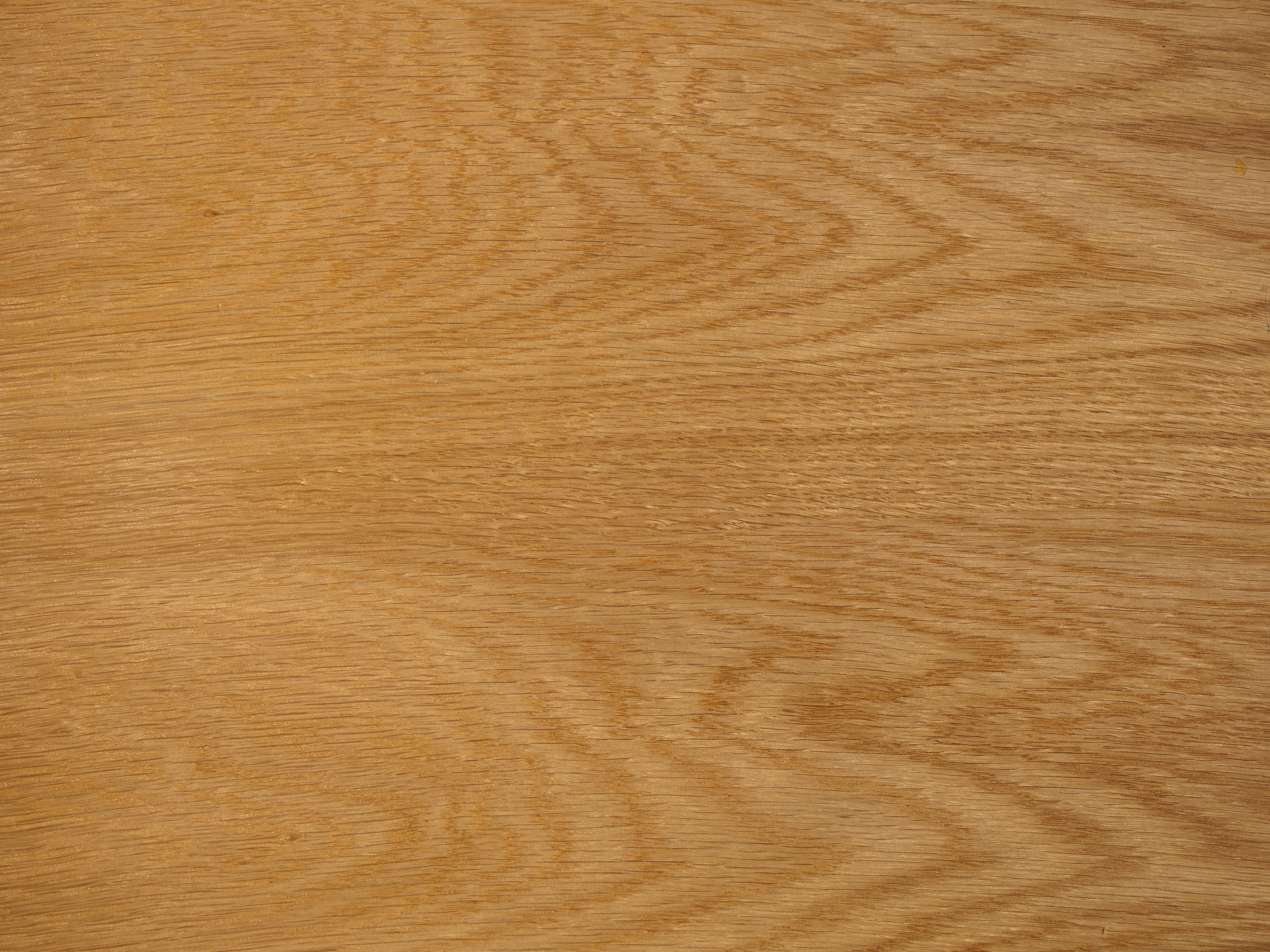
I’d specify oak when you want a light, lasting surface without paying walnut prices. Ask whether you’re getting white oak or red oak: red oak’s pinker pore pattern is less common in high-end modern specs. Pair it with a durable clear finish for busy households.
Browse oak-friendly layouts in our Dining collection when you’re comparing everyday tables side by side.
Walnut: the premium modern statement
Walnut is the wood people remember after the showroom visit. Dark heartwood, smoother grain, and a quieter surface that photographs like a design magazine. It’s softer than oak on the Janka scale, so you’ll see more dings over decades—but many buyers accept that as patina on a hero piece.
Choose walnut when the table or sideboard is the room’s dark anchor—mid-century, boutique hotel suites, or low-light rooms that need warmth. Keep coasters and felt pads honest; don’t treat it like a butcher block. Clear oil or matte lacquer usually beats heavy stain that hides the figure you paid for.
Ash: light, tough, and finish-friendly
Ash sits near oak for hardness and often costs less. The grain is straighter and cleaner—great for bright modern rooms—and it’s famously shock-resistant, which is why it shows up in chairs and high-impact frames.

I’d pick ash for light-toned dining chairs, desks, and stained programs where you want oak-like toughness without oak’s ray fleck. Watch humidity: ash can move more than walnut if kiln drying and indoor RH aren’t controlled. In dry winter heating or monsoon swings, a good finish system and stable indoor climate matter more than the species name on the tag.
Teak: moisture specialist (and a look of its own)
Teak’s reputation comes from natural oils that resist water, rot, and insects—not from topping oak on hardness. That makes it the go-to for outdoor dining, covered terraces, and humid indoor spaces (tropical SEA, coastal homes) where other hardwoods need more protection.
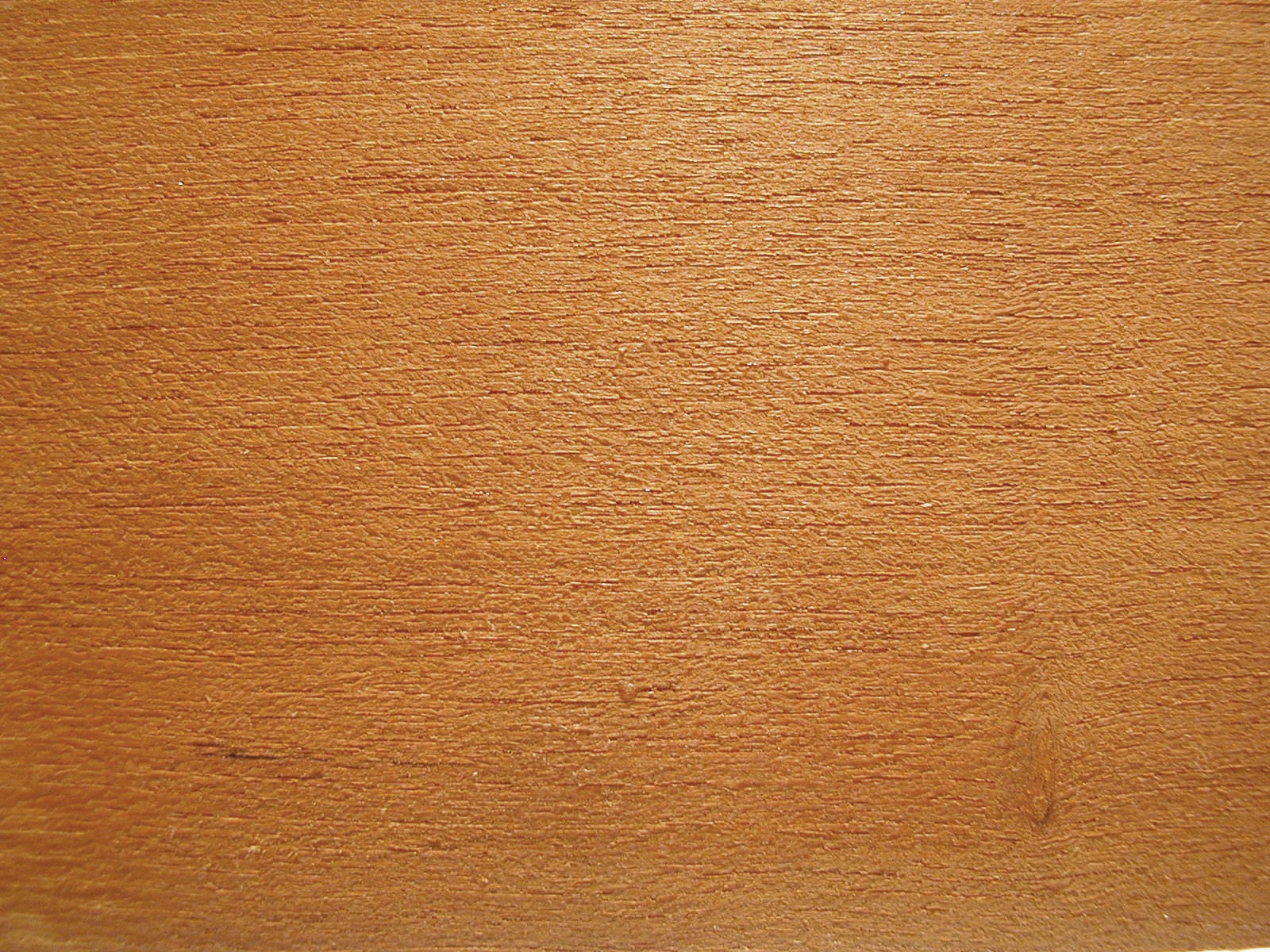
Indoors, teak reads warm and coastal-modern; outdoors, unfinished teak can silver to a grey patina unless you oil it to keep the honey tone. Expect a higher price band. For pure indoor dry climates with a bright Scandi brief, oak or ash usually delivers more value—save teak for when moisture or outdoor use is part of the brief.
If you’re still deciding solid plank vs veneer on a wood-look top (any species), start with our solid wood vs veneer dining table guide—species choice and construction are separate decisions.
How to tell the woods apart in the showroom
Quick field checks (samples beat memory):
Color — Ash and white oak: light. Walnut: dark chocolate. Teak: golden–brown with oily feel.
Grain — Oak: open, often with ray fleck on quartersawn white oak. Ash: bold growth rings, little ray fleck. Walnut: tighter, flowing. Teak: straighter, oily.
Weight & dent test — Don’t vandalize a floor sample, but compare hardness claims: oak/ash usually dent less than walnut/teak under the same abuse.
Smell / oil — Fresh teak often feels richer/oilier; indoor oak/ash feel “drier” under the same unfinished cut.
Ask for the species in writing — “Oak finish” on a tag can mean stained ash, oak veneer, or something else. Spec species + solid vs veneer + finish system.
From a Foshan source-factory workflow, modern programs routinely run the same silhouette in oak, walnut, ash, or teak (or matching veneers) once moisture content, joint method, and finish are locked—so you’re shopping a materials package, not just a pretty sample.
Which wood should you buy? Scenario guide
Busy family dining table: Oak (white oak preferred) or ash with a tough clear finish.
Statement desk or sideboard in a design-forward room: Walnut with clear/oil finish; protect from sun fade.
Bright minimal / Japandi living: White oak or ash; keep finishes matte or soft sheen.
Chairs that take impact: Ash (or oak); prioritize joinery quality as much as species.
Covered patio, poolside, or high indoor humidity: Teak; plan for oiling if you want to keep the golden color.
Budget-conscious modern set: Ash or oak over walnut/teak; spend on finish and construction, not the rarest species name.
Hospitality / high turnover: Spec species, core (if veneered), and finish durability in writing—then request a quote with room photos and target climate.
Myth: “The hardest wood is always the best furniture wood.”
Fact: Hardness fights dents, but humidity, finish, joinery, and how you use the piece decide longevity. Soft-but-stable walnut indoors often outlasts a hard wood left unfinished in a wet climate—and teak’s oils beat oak outdoors even when oak wins a Janka chart.
FAQ
Is oak or walnut better for furniture?
Oak is usually better for everyday durability and value; walnut is better when you want a premium dark look and are fine with slightly softer surfaces. Pick oak for high-traffic dining; pick walnut for statement pieces you’ll protect and keep for decades.
Which wood is best for modern furniture?
There’s no single winner—white oak and ash fit light modern and Scandi looks; walnut fits dark mid-century modern; teak fits coastal/humid or indoor–outdoor modern. Match species to light level, wear, and climate, not a ranking list.
Is teak better than oak for indoor furniture?
Not automatically. Teak wins when moisture resistance matters; oak often wins for hardness, availability, and cost on dry indoor pieces. For a normal climate-controlled living room, oak (or ash/walnut for look) is frequently the smarter buy.
Is ash as strong as oak?
Ash is typically close to white oak on hardness and often better for impact resistance, which is why it works well in chairs. It’s usually more sensitive to humidity swings, so drying and finish quality matter.
Which wood is most durable for a dining table?
For dent resistance under daily use, oak or ash generally beat walnut and teak. For spills and humid rooms, finish quality and (when needed) teak’s natural oils matter as much as species. Construction—solid vs veneer—also changes the repair story.
Does teak work for indoor modern furniture?
Yes. Teak reads warm and coastal-modern indoors and stays popular in mid-century-inspired lines. You pay a premium; if the piece never sees outdoor weather or high humidity, oak, ash, or walnut may deliver the look you want for less.
Bottom line
There’s no universal “best” among oak, walnut, ash, and teak—only the best fit for your room, climate, and budget. Oak and ash cover most modern daily-use furniture; walnut wins the dark statement lane; teak earns its keep when moisture or outdoor exposure is real.
Pre-purchase checklist
Write down species + solid/veneer + finish (not just “wood finish”) before you approve a sample.
Match wear + humidity: high traffic → oak/ash; hero aesthetic → walnut; wet/outdoor → teak.
Confirm kiln-dried moisture targets and finish system with the factory or seller—then compare options in Dining Sets or request a custom quote if you need a species swap on the same design.