
Online Furniture Buying Red Flags: What to Spot Before You Order
- furniture-online-shopping
Spot listing, material, seller, and return red flags before you buy furniture online—plus a go/no-go table and delivery inspection tips.
The sofa looks perfect on your laptop. The price is “too good.” Three weeks later you’re staring at particle board sold as solid wood, a return label that costs more than the piece, or a courier who wants a signature before you’ll open the box. Online furniture shopping works—if you know which listing and seller signals mean walk away.
What “online furniture red flags” actually mean
Online furniture red flags are listing, seller, policy, or logistics warning signs that raise the odds of material misrepresentation, non-delivery, costly returns, or transit damage you can’t easily contest. They’re not about taste. They’re about whether construction, photos, contact details, and after-sales rules are honest enough to trust with a large purchase you can’t easily ship back.

The biggest red flags at a glance
Use this table as a go/no-go map. If two or more “high risk” cells show up on the same listing, treat it as a hard pause—not a bargain hunt.
Red flag | What you often see | Why it matters | What to do instead |
|---|---|---|---|
Vague materials | “Wood look,” “leatherette,” “solid wood construction” with no species/core | Hides particle board, bonded leather, or laminate sold as timber | Demand face material + structural core in writing |
Stock / AI-only photos | One hero room shot; no edges, underside, joinery, or buyer photos | Easy to retouch or invent; hard to judge build | Ask for edge close-ups, hardware shots, real-customer photos |
No clear seller identity | No address, phone, or company name; social-only checkout | Hard to escalate complaints or chargebacks | Prefer sellers with verifiable business details + buyer-protected payment |
“Deal” far below market | Same silhouette 40–60% cheaper than peers with no explanation | Often thinner cores, thinner foam, or bait inventory | Compare like-for-like specs—not just price |
Opaque returns | Buyer pays freight back; 24-hour damage window; heavy restocking fee | Furniture returns can erase any “savings” | Read who pays return shipping, restocking %, and defect windows |
“In stock / ships fast” with no lead-time honesty | Countdown timers; vague “ships soon” | Common source of delay complaints | Get a written ship/delivery estimate and refund rights for late delivery |
What this means for you: one weak photo isn’t fatal. A vague material line plus a punitive return policy plus wire-only payment is a pattern—not bad luck.
Material language that should make you stop scrolling
Furniture listings love soft words. Your job is to translate them before you pay.
Casegoods (tables, dressers, cabinets)
“Wood-look / wood-grain” — usually printed laminate or foil over engineered board, not solid timber.
“Solid wood construction” without species or which parts are solid — often means solid legs only, with a board top or carcass.
No edge or underside photos — the place veneer, laminate, and chip cores show themselves.
If the listing won’t say what’s structural versus decorative, don’t guess. Cross-check claims with a field ID mindset from our how to tell solid wood from veneer or laminate guide before you commit.

Upholstery (sofas, chairs, beds)
“Bonded leather / faux leather / leather look” sold as “leather” — not full-grain or top-grain hide.
No frame note — softwood stapled frames and thin foam hide behind pretty fabric.
Only lifestyle photos — no seam, zipper, or underside dust-cover shots.
Pair every sofa listing with a construction checklist like the one in how to tell furniture quality before you buy—frame, fill, cover, and finish as separate layers.

From a Foshan source-factory perspective (how Misxit typically quotes), a usable online order looks like a short bill of materials: what’s the frame or carcass, what’s the face material, what’s the fill or spring system, and how is the piece packed. Mood-board photos alone don’t replace that list—whether you buy retail or factory-direct.
Seller & payment red flags
No physical address, phone, or company registration you can verify.
Pressure to pay by wire, gift card, crypto, or “friends & family” transfers with no buyer protection.
Only glowing five-star blurbs with no 2–3★ detail, no photos from buyers, and no answers to defect questions.
Seller won’t answer basic construction questions in writing before checkout.
Legitimate sellers expect you to ask about door clearance, removable legs, fabric content, and core materials. Silence is a signal.
Policy & logistics red flags (where “cheap” gets expensive)
Returns that trap you
Before you click buy, answer these in writing:
Who pays return shipping on a sofa or dining table?
Is there a restocking fee—and how much?
Does “change of mind” count, or only defects?
How many hours/days do you have to report transit damage?
If the seller requires you to pay outbound freight home on a heavy piece, price that into the purchase—or walk.
Delivery theater
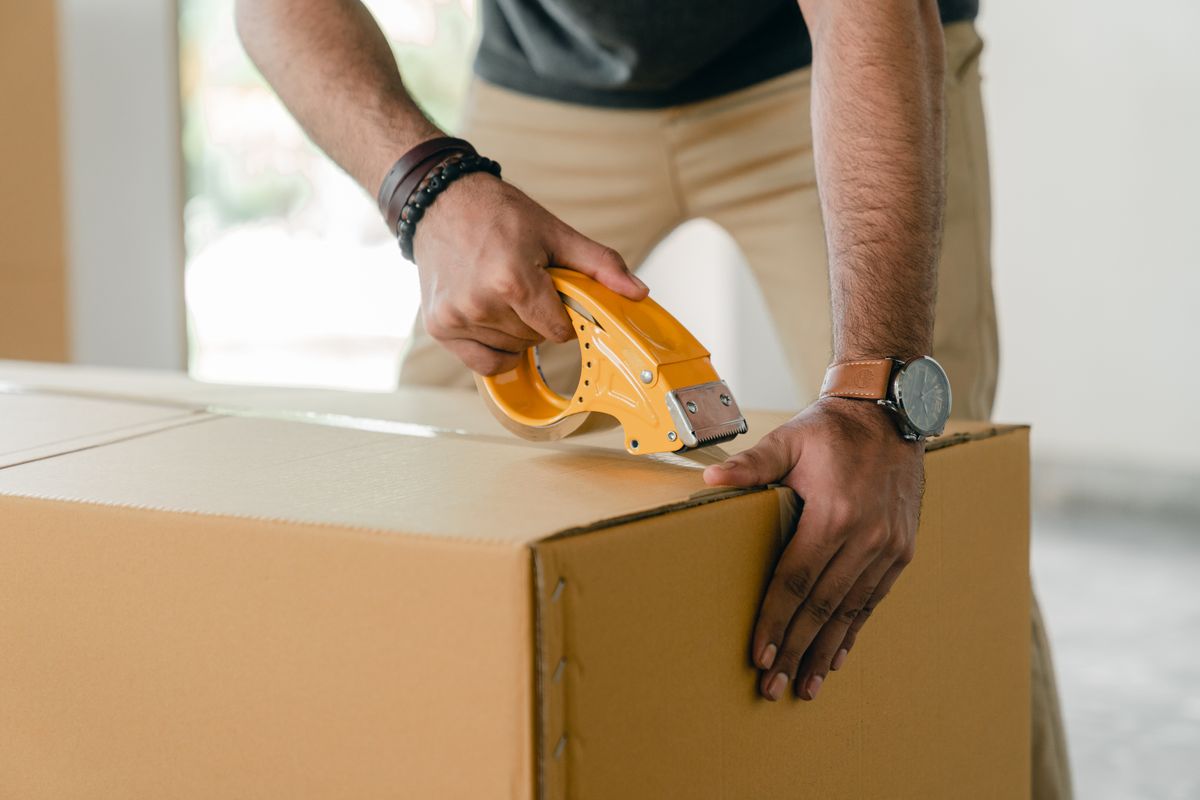
Curbside-only with “inspect later” culture — damage claims get harder after you sign.
No packing description (corner guards, knockdown vs fully assembled) for long freight routes.
Countdown “in stock” claims that never match a calendar date.
BBB-style guidance is consistent here: measure the path into the home, understand delivery type (door / inside / white glove), and inspect before you sign. Refusing a damaged delivery is often cleaner than arguing after the truck leaves.
Fit red flags you create yourself
Skipping doorway, stair, and elevator measurements isn’t a seller scam—but it’s one of the costliest “online furniture” failures. Measure the piece and the path. Removable legs and knockdown packing only help if the listing documents them.

Scenario guide: when to buy, when to pause
Busy family sofa: Pause if frame and foam aren’t specified; prioritize cleanable cover + written seat support.
Dining table as daily workhorse: Pause on “wood look” tops; insist on face + core language (solid, veneer, laminate).
Import / factory-direct order: Pause without a written BOM, joinery photos, and packing method—even if the price looks factory-direct.
Humid climates (tropical SEA, coastal homes): Pause on raw chip edges and unfinished undersides in photos; ask how edges are sealed.
Hospitality / multi-unit buys: Pause if the seller can’t document consistency across a run—one hero sample isn’t a PO.
Browse construction baselines in Sofas or Dining when you want visual context—then still demand the written build notes the photos don’t show. For a custom or factory-spec path, request a quote with materials called out line by line.
Myth: “If the photos look expensive, the furniture must be solid wood / real leather.”
Fact: Lifestyle photography and AI-enhanced textures can erase veneer edges and bonded-leather tells. Construction language and close-up evidence beat a pretty room shot every time.
FAQ
What are the biggest red flags when buying furniture online?
Vague material wording (“wood look,” unnamed “solid wood construction”), stock-only or heavily retouched photos, missing seller contact details, prices far below comparable specs, and return policies that make you pay freight home are the biggest online furniture red flags. Stack two or more and treat the listing as high risk until the seller clarifies in writing.
Is it safe to buy furniture online?
Yes—when the seller is identifiable, materials are specific, payment has buyer protection, and delivery/return rules are readable before checkout. Safety drops when you pay unprotected methods, skip measurements, or accept “inspect later” after signing for damaged freight. Online isn’t the problem; opaque listings are.
How can I spot material misrepresentation on furniture listings?
Look for soft labels without species, core type, leather grade, or foam/frame notes—and demand edge, underside, and joinery photos. “Leather look,” “wood-grain,” and “solid wood construction” without parts called out are classic misdirection. Compare the listing language to a quality checklist before you trust the hero image.
What should I check in a furniture return policy before ordering?
Confirm who pays return shipping, whether change-of-mind is allowed, restocking fees, and the damage-report window. Furniture freight is expensive; a “free returns” headline that still bills you outbound shipping can wipe out the discount. Call or email the seller if the policy page is vague—get answers in writing.
Should I refuse damaged furniture at delivery?
Often yes: inspect before signing, note damage on the delivery slip, and refuse acceptance when the piece is clearly damaged or incomplete—per common consumer guidance from groups like the BBB. Signing “received in good condition” without checking weakens your claim. Photograph carton and product damage immediately if you must accept pending a claim process.
What payment methods are safer when buying furniture online?
Prefer cards or platforms with chargeback/buyer protection over wire transfers, gift cards, crypto, or informal peer payments. Safer payment doesn’t fix a bad product—but it gives you a path if the seller vanishes or ships a clear mismatch. Keep screenshots of the listing specs with your receipt.
Bottom line
Online furniture fails most often from unclear materials, unverifiable sellers, and policies that punish returns and late damage reports—not from shopping on a screen. Treat pretty photos as marketing; treat written specs and logistics as the purchase.
Pre-purchase checklist
Face material + structural core (and sofa frame/fill) in writing—not mood words.
Seller identity, buyer-protected payment, and return/damage windows you can live with.
Path measurements + inspect-before-sign plan; ask for edge/joinery photos if anything still feels fuzzy—or request a quote with a factory-style bill of materials.