
How to Tell Solid Wood From Veneer (or Laminate) in Real Life
- solid wood
- veneer
- laminate
- furniture material
Spot solid wood, veneer, and laminate in the showroom or from photos—edges, end grain, underside, knock test, and what each clue really means.
You’re in a showroom—or staring at a product photo—and the listing says “wood.” That word covers three very different builds: solid timber, a thin real-wood face (veneer), and a printed plastic or resin film (laminate). Learning how to tell solid wood from veneer (and laminate) in person saves you from buying the wrong repair path, weight, and longevity story.
Solid wood, veneer, and laminate in plain English
Solid wood is timber through the thickness—boards joined into panels, legs turned from lumber, edges that show the same species all the way through. Wood veneer is a thin slice of real wood glued to a core (plywood, MDF, or particleboard). Laminate (including melamine and many “wood-look” films) is a printed pattern on plastic or resin-impregnated paper—not a wood face at all. All three can look convincing under a glossy finish; only solid wood and veneer are real wood on the surface.
If you’re choosing a dining table after you’ve identified the build, see our separate guide on solid wood vs veneer for dining tables—that piece is about trade-offs once you already know what you’re looking at.
Quick comparison: what you’re actually holding
Use this table when you can touch the piece. It’s a field checklist, not a brand scorecard.
Clue | Solid wood | Wood veneer | Laminate / melamine |
|---|---|---|---|
Face material | Timber through the thickness | Thin real wood bonded to a core | Printed plastic/resin film (not wood) |
Edge / end | Continuous grain; end grain (growth rings) on cross-cut ends | Thin face + glue line / edge banding; core often visible | Plastic edge strip or printed edge; no real pores |
Grain | Irregular; rarely repeats identically across a wide span | Can look natural; book-matched or repeating faces are common | Often perfectly repeating every few feet; “printed” look |
Underside / back | Same species character (may be less finished) | Plywood layers, MDF, or particleboard often exposed | Same film or raw board; rarely matching timber |
Feel / knock | Dense, resonant “thunk” on thick parts | Depends on core; can sound flatter than solid | Hard, plastic tap; often hollow/flat over particleboard |
Scratch reveal | Same wood under the finish | Different core if you break through the face | Printed layer → uniform board underneath |
What this means for you: one strong clue isn’t enough. Marketing labels (“solid wood construction”) sometimes mean solid legs with a veneered or laminated top. Stack edge + underside + grain consistency before you trust the tag.
Field check 1: edges, end grain, and edge banding
Start at any exposed edge—tabletop rim, shelf end, drawer front side, headboard rail.
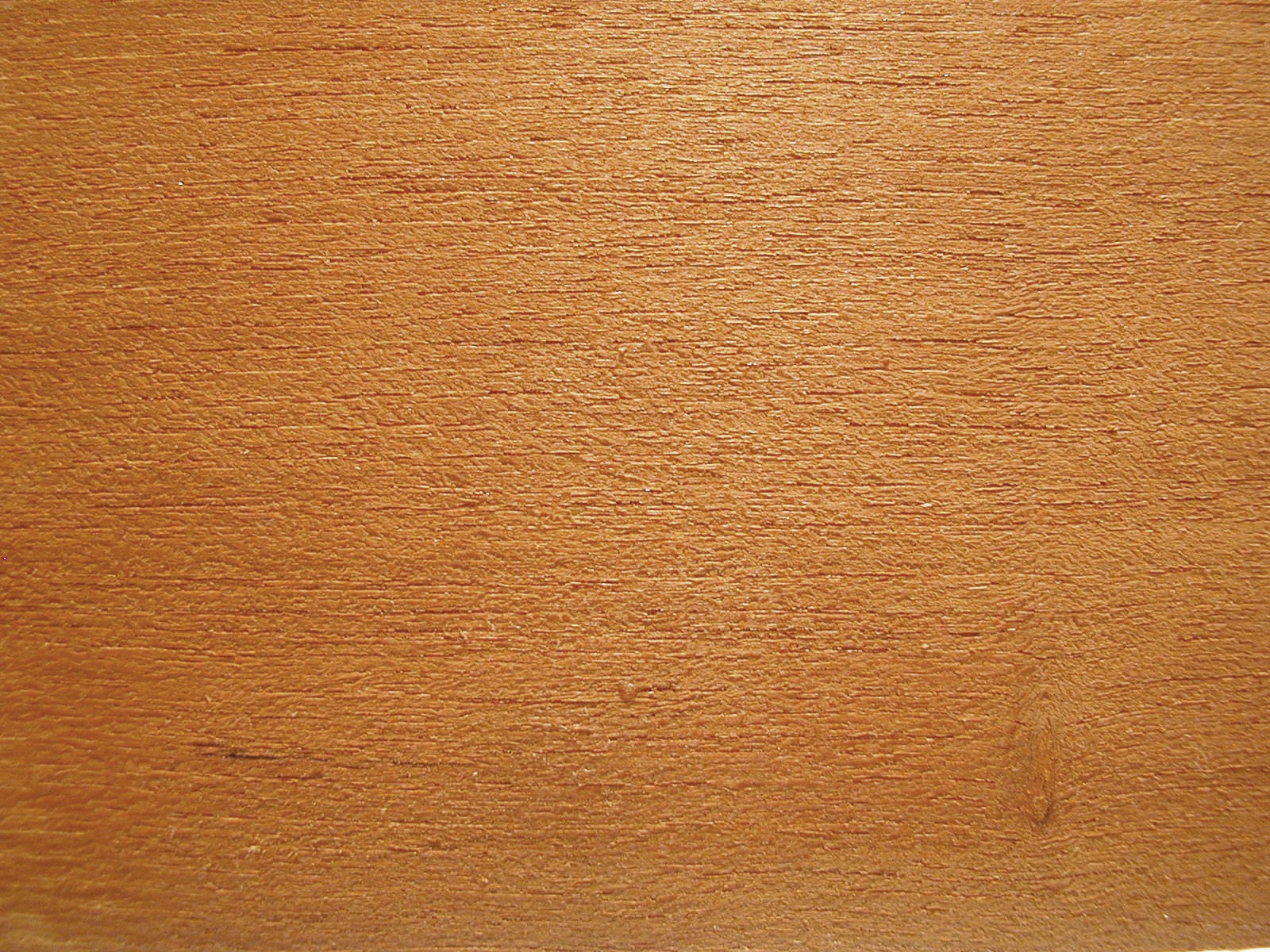
Continuous wrap — On solid wood, face grain often flows onto the edge, and cross-cut ends show end grain: pores and growth-ring arcs, not a flat printed stripe.
Seam / banding — Veneer usually ends in a fine line where a separate edge band starts. Run a fingernail over the corner; a tiny step or color shift is a classic tell.
Exposed core — If you see stacked plywood plies, powdery tan MDF, or chipboard at a chip or unfinished cut, you’re not looking at solid timber through the panel.

Field check 2: underside, backs, and insides
Flip, crouch, or pull a drawer. Factories spend finish budget on faces customers photograph.
Solid wood: Underside of a top or inside of a rail often matches the species—maybe unfinished, but still timber.
Veneer: Underside may show plywood, MDF, or a cheaper backer. Phone flashlight helps.
Laminate: You may see the same plastic look wrapping the edge, or raw particleboard with a crisp film cut at the rim.
Cabinet backs, wardrobe sides against the wall, and the bottom of shelves are gold for this check.
Field check 3: grain consistency (and photo red flags)
Nature doesn’t photocopy. Solid boards vary board-to-board; you should see joints and non-identical cathedrals.
Veneer can be book-matched on purpose—symmetric “mirrors” are a design choice, not a scam—but identical repeats marching across a huge span still deserve a closer edge look.
Laminate often telegraphs itself: the same swirl every few feet, grain that doesn’t change direction at a real board joint, and a surface that feels more like sealed plastic than open pores. Zoom product photos for repeating tiles and plastic-looking corners.

Field check 4: weight and the knock test
Weight is a clue, not a verdict. Solid hardwood tops feel dense. Thick MDF can also feel heavy. Hollow frames and thin particleboard cores feel light for their size.
Knock test: knuckle-tap a thick panel. Solid hardwood often gives a deeper, more resonant sound; MDF/particleboard cores sound flatter or duller. Laminate over chipboard frequently sounds hard and “plastic.” Don’t buy on sound alone—confirm with edges and underside.
Veneer vs laminate: don’t confuse “real wood face” with “wood look”
Question | Veneer | Laminate |
|---|---|---|
Is the face real wood? | Yes — thin timber | No — print / film |
Can light sanding / refinish help? | Sometimes lightly; easy to sand through | No meaningful refinish path |
Water / heat risk | Edges and peel/bubble at the bond | Swelling, edge lift, irreversible print damage |
Best mental model | Real wood skin on an engineered body | Durable graphic on a board |
When a salesperson says “it’s wood,” ask: real wood veneer, or laminate? Those answers lead to different care rules and different factory specs if you’re sourcing custom pieces.
Myth vs fact
Myth: “If it says solid wood construction, the whole piece is solid.”
Fact: That phrase often covers mixed builds—solid legs or apron with a veneered or laminated panel. Ask component by component: top, sides, shelves, drawer fronts.
Myth: “Veneer is fake wood.”
Fact: Veneer is real wood, just thin. Laminate is the printed look-alike. Confusing the two is how buyers either overpay for plastic or unfairly dismiss good veneer.
Myth: “The knock test alone proves solid wood.”
Fact: It’s a hint. Edge grain, underside, and written construction beat any single tap.
How factories (and honest listings) describe the build
From a Foshan source-factory perspective, clear specs beat pretty photos: solid plank / solid lumber, veneer over plywood, veneer over MDF, or laminate / melamine. When you request a quote, ask for that language in writing—especially for tops and large panels—so price and longevity expectations match the same bill of materials.
Browse construction options alongside real pieces in collections like Dining once you’ve practiced the checks above.
FAQ
How can you tell if furniture is solid wood or veneer?
Inspect edges and the underside first: solid wood shows continuous timber character and end grain on cross-cuts; veneer often shows a thin face, a glue line or edge banding, and a different core. Check for repeating grain and mismatched banding, then use weight and knock only as supporting clues.
How do you tell veneer from laminate?
Veneer is a thin layer of real wood with pores and natural variation; laminate is a printed plastic or resin film without real wood pores. Look at chips and edges—veneer reveals timber then core; laminate reveals a printed skin over particleboard or MDF. Feel and knock often feel more “plastic” on laminate.
Is wood veneer real wood?
Yes. Veneer is sliced or peeled real timber bonded to a core. You’re getting authentic grain on the face—not the same as solid wood through the thickness, and not the same as laminate’s printed pattern. Core quality still drives stability and what happens if the face fails.
Does the knock test work for solid wood?
It helps as a quick screen: thick solid hardwood often sounds denser and more resonant than MDF or particleboard cores. It isn’t proof by itself—heavy engineered panels can fool you—so always pair it with edge, end-grain, and underside checks.
Can you tell solid wood from veneer in photos online?
Sometimes. Zoom edges for seams and banding, look for repeating grain tiles, and ask for underside or cut-edge photos. Lighting and heavy filters hide a lot; if the seller won’t share construction details or close-ups, treat “solid wood” claims cautiously until you can inspect in person or get a written spec.
Does solid wood always show end grain?
On any cross-cut end of a solid board—shelf ends, some tabletop edges, rail ends—you should see end grain (pores/growth rings). Veneered and laminated edges are often covered with banding that fakes continuous side grain instead. If every edge looks like perfect long-grain wrap with no rings anywhere, dig deeper.
Bottom line
I’d trust edge + underside + grain consistency before any marketing adjective. Solid wood shows timber through the thickness and end grain where it should; veneer shows a real thin wood face over a different core; laminate shows a print. Use knock and weight as supporting clues, not the whole case.
Pre-purchase checklist
Check edges / end grain / banding, then the underside or drawer interior.
Separate veneer (real wood face) from laminate (printed film) before you compare price.
Get construction in writing—or compare side by side after reading our dining table solid wood vs veneer guide—then request a quote if you need a factory-spec build.