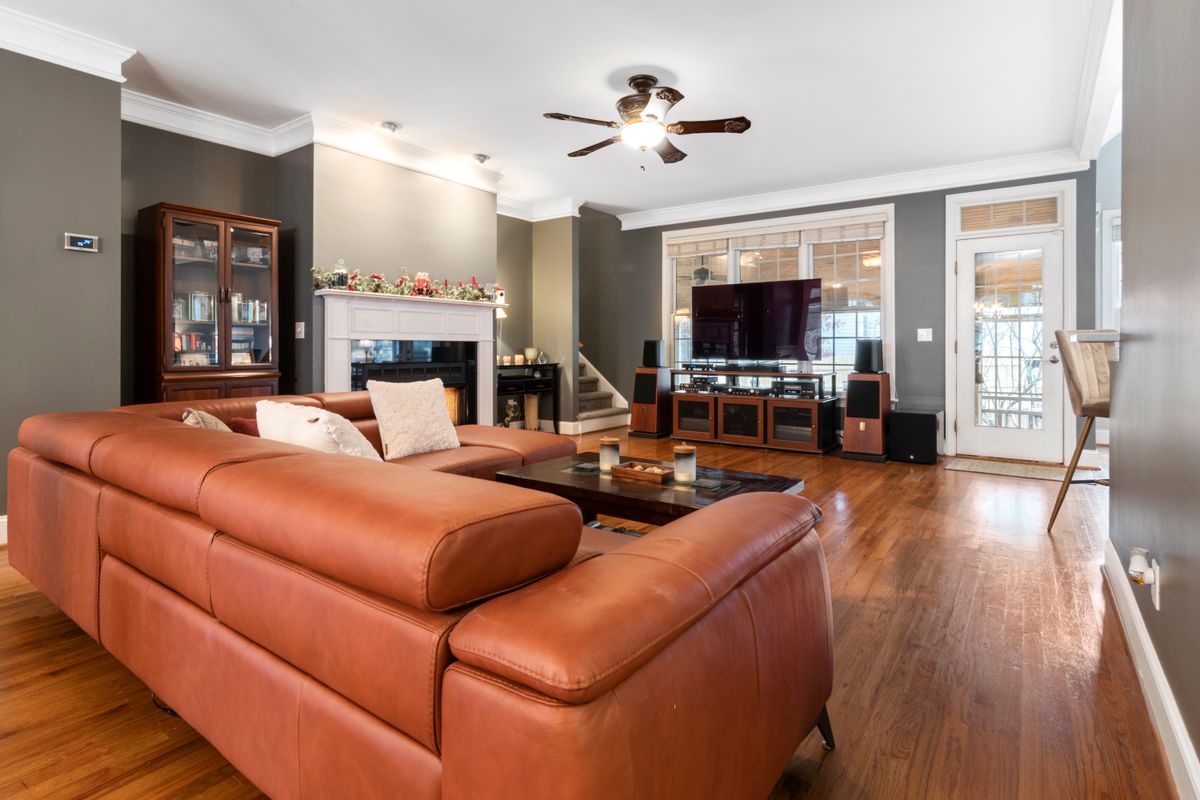
What Is Bonded Leather—and Why Do So Many People Regret Buying It?
- leather
- bonded-leather
- sofas
- materials
- furniture-buying-guides
Bonded leather explained: how the composite is made, why sofas peel, how to spot it before you order, and what to buy instead.

The sofa smelled faintly like a leather shop. The tag said “bonded leather.” The price looked like a win. Two or three years later, the seat and arms started flaking like old paint—and no conditioner fixed it. That’s the bonded-leather regret loop: you thought you bought leather furniture. You mostly bought a coated composite that looks like leather on day one.
What bonded leather actually is
Bonded leather (also called reconstituted or composition leather) is a manufactured upholstery material: shredded leather scraps and fibers mixed with a binder (often polyurethane or latex), rolled onto a fabric or paper backing, then embossed and coated to imitate hide grain. It contains animal leather content—but it’s not a continuous piece of hide like top-grain or full-grain. Think “leather particle board,” not a solid plank.
Bonded leather vs real hide vs PU: what you’re actually buying
Before you compare prices, compare what sits between you and the foam. Use this table as a go/no-go map for living-room seating.
Material | What it is | How it usually ages | Repair / care reality | Best fit |
|---|---|---|---|---|
Bonded leather | Leather fibers + binder on a backing + synthetic face coat | Peeling, flaking, cracking on high-wear zones | Conditioning won’t restore delaminated coating; patches are temporary | Short-term / light-use only if budget is the only driver |
Top-grain / full-grain hide | Continuous outer hide (full-grain intact; top-grain lightly corrected + finished) | Softens, can develop patina; may scratch but doesn’t “peel like plastic” | Responds to proper leather care; scuffs can be managed | Everyday family sofas when frame/fill match |
PU / faux leather | Plastic coating on textile (no leather requirement) | Can crack or wear through; quality varies widely | Usually replace, not restore like hide | Budget looks, light use, or design-forward short cycles |
What this means for you: if the listing only says “leather” or “genuine leather” without a grade, you may be comparing a hide sofa to a bonded composite. Those aren’t the same product class.
Bonded leather (the regret magnet)
The failure mode is structural. Body heat, friction, and flex stress the thin face coat. When that coat separates from the backing—delamination—you get peeling flakes on seats, arms, and headrests. Industry explainers and buyer reports commonly describe this within a few years of regular use. Once it starts, you’re not “due for conditioning.” You’re watching a laminate fail.
Real hide (top-grain / full-grain)
A continuous hide flexes as one material. It can scratch, fade, or dry if neglected—but it doesn’t typically shed a plastic skin the way bonded leather does. If you’re choosing between top-grain and full-grain for sofas, use our top-grain vs full-grain leather guide—that decision only matters after you’ve ruled out bonded.

PU / faux leather
Honest faux leather can be a fine short-cycle choice when labeled clearly. The problem isn’t PU existing—it’s PU (or bonded) sold with leather-shop storytelling. Clear “PU / faux leather” language beats “bonded leather” marketing that borrows hide credibility.

Why so many people regret bonded leather sofas
Regret usually isn’t about taste. It’s about mismatched expectations.
The name does the selling. “Bonded leather” sounds like a leather grade. It’s a composite process.
Day-one photos hide the layers. Embossed grain and a glossy finish look expensive under showroom lights.
The wear pattern is public. Peeling starts where you sit and lean—impossible to ignore.
Fixes feel futile. Leather cream can’t re-bond a failed polyurethane face. Repair kits may camouflage small spots; they don’t reset the material’s lifespan.
Cost-per-year flips. A cheaper sofa that needs replacing early can cost more than a clearer hide or fabric choice bought once.
Humidity and heat can speed coating stress (common in tropical interiors and dry, heated rooms alike). That doesn’t make bonded “bad luck”—it makes layered synthetics less forgiving than hide.
How to spot bonded leather before you order
Don’t trust the word “premium.” Ask and inspect:
Exact cover name in writing — bonded / reconstituted, top-grain, full-grain, corrected-grain, or PU—not just “leather” or “Italian leather.”
Edge and underside cues — highly uniform paste-like edges and a fabric/paper backing under a thin face can signal composite or heavy coating (ask for close-up photos online).
Hand-feel & flex — stiff, cold, plasticky crackle under bend is a warning; natural hide feels warmer and more fibrous.
Smell — a strong chemical or plastic scent with little hide character deserves a follow-up question.
Warranty language — if peeling/delamination is excluded or vaguely covered, treat that as a signal about expected life.
From a Foshan source-factory perspective (how Misxit typically scopes seating quotes), cover grade belongs on the same line as foam and frame—not buried in lifestyle copy. If a supplier can’t put bonded vs top-grain vs PU on the quotation, pause. Browse clear seating language in our Sofas and Living Room collections while you compare specs side by side.
Myth: “Bonded leather is basically real leather, just eco-friendly leftover scraps—so it should age like a hide sofa.”
Fact: Reusing scraps can reduce waste, but the upholstery performance is still driven by binders and a coated face. Scrap content doesn’t equal continuous-hide durability. Aging like leather requires leather structure, not just leather dust in the mix.
When (if ever) bonded leather makes sense
Be honest about use:
Your situation | Bonded leather? | Better ask for |
|---|---|---|
Daily family TV sofa | Usually no | Top-grain hide or performance fabric |
Formal room / rare seating | Maybe, if price is the only priority and you accept short life | Still prefer clear PU or better hide if budget allows |
Rental flip / short stay | Possible if labeled honestly | Durable fabric often wins on cost/year |
Hospitality / high turnover | Rarely | Spec commercial-grade hide or performance textile |
Pets / kids claw risk | Poor fit | Performance fabric or protected top-grain |
If you’re still early in the buying checklist, pair this cover decision with a full furniture quality checklist—frame and fill matter as much as the skin. When you’re ready for a written cover grade, request a quote with bonded / top-grain / PU called out explicitly.